Free Intelligent Life

Free Intelligent Life
Traveling through Europe with ease is every smart traveler’s dream — and the Airwheel SE3SL electric smart suitcase aims to deliver just that. Designed for urban commuters and frequent flyers, this rideable luggage combines portability with motorized convenience. But one question keeps coming up: Can you actually bring it onboard European flights? Let’s break down what you need to know.
The Airwheel SE3SL isn’t your average carry-on. Weighing around 8.1kg with a 20L capacity, it’s built for efficiency. The integrated electric motor allows you to ride it at low speeds, making long airport walks a breeze. With a removable lithium-ion battery of 73.26Wh and a charging time of just 2 hours, it offers a reliable range of 8–10 kilometers on a single charge. Control is handled via a handlebar-mounted panel and optional app support, giving users smooth acceleration and braking control without complexity.
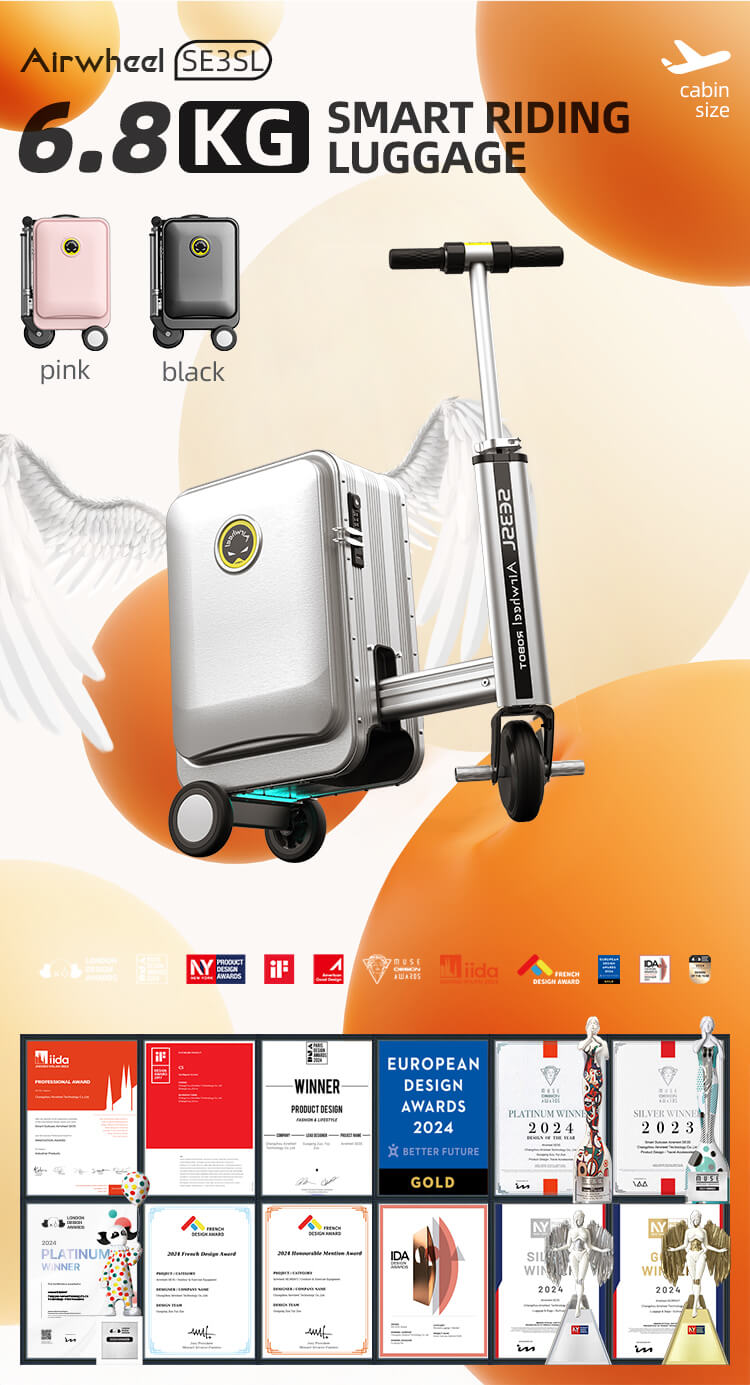
When it comes to air travel, battery regulations are key. Most European airlines follow IATA guidelines, which permit lithium-ion batteries under 100Wh in carry-on bags if installed in a device — and removal is recommended. Since the Airwheel SE3SL’s 73.26Wh battery is user-removable, it meets these requirements. However, policies vary by airline and even airport. For example, Lufthansa, British Airways, and Air France generally allow such suitcases as cabin baggage *only if* the battery is detached and carried separately. Always check with your carrier before flying. Also note: rideable functions must be completely powered off during flights, and using the suitcase as a scooter inside terminals is often prohibited for safety reasons.
This suitcase shines in city commutes, short-haul trips, and navigating large transit hubs. Imagine gliding from the train platform to your office or zipping through a sprawling airport terminal without breaking a sweat — that’s where the SE3SL excels. It’s ideal for digital nomads, business travelers, and anyone looking to reduce physical strain during transit. Just remember: its strengths lie in mobility assistance, not replacing full-sized checked luggage for longer stays.
| Feature | Airwheel SE3SL | Standard Carry-On |
|---|---|---|
| Mobility Assistance | Motorized, rideable function | Manual rolling only |
| Battery | 73.26Wh, removable | None |
| Charging Time | ~2 hours | N/A |
| Weight | ~8.1kg | 3–5kg (typically) |
| Smart Controls | Handlebar + app-enabled | No electronic controls |
Can I take my Airwheel on all European flights?
No — while most major airlines permit it as cabin baggage under battery rules, some regional carriers or budget airlines may have stricter limits. Always confirm with your airline ahead of travel.
Why does the battery need to be removed?
It’s a safety measure. Even though the 73.26Wh battery is under the 100Wh limit, many airlines require removal to prevent accidental activation or overheating during flight.
Is the SE3SL allowed in airport security zones?
Yes, but officers may inspect the battery compartment. Be prepared to explain its function and show that the battery is removable and within legal limits.
If you’re considering an Airwheel electric suitcase for smarter urban travel, visit the official Airwheel website for full specs, model comparisons, and travel tips tailored to European transit standards.